
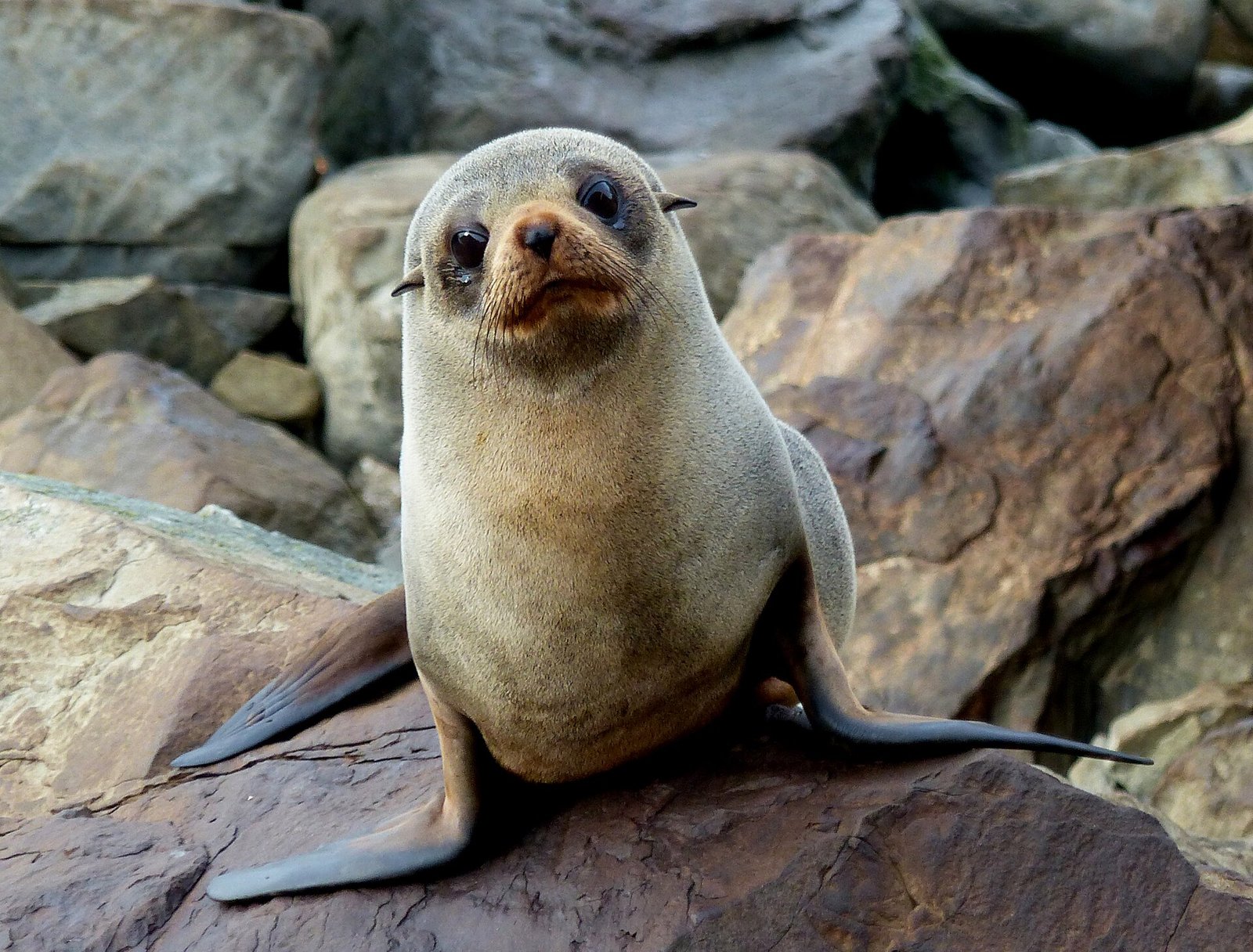
A long-nosed fur seal found dead near Beachport, South Australia, marks a serious new stage in an outbreak that had already spread through wild seabirds.
A new species boundary is crossed
Australian authorities confirmed H5N1 in a long-nosed fur seal found dead at Beachport, about 310 kilometres southeast of Adelaide. Officials said the animal showed no obvious injury and that the case did not appear to be linked to other sick or dead marine mammals nearby.
One detection does not establish sustained transmission among seals. It does show that the virus circulating in wildlife can infect a mainland Australian mammal, a development surveillance teams had been preparing for after severe losses in marine mammals elsewhere.
How Australia reached this point
Australia was the last continent to report the globally circulating H5N1 strain on its mainland. The virus was detected in migratory birds, then native seabirds, followed by mass mortality events and a growing geographic footprint.
Federal reporting had counted hundreds of confirmed detections or events in wild birds. Authorities continued to say there were no detections in poultry or the broader agricultural production system at the time of this report.
Why seals are vulnerable
Seals share beaches and feeding areas with seabirds and may encounter infected carcasses, contaminated environments or prey. Overseas outbreaks have killed large numbers of seals and sea lions, showing that spillover can have major ecological consequences.
Scientists will study viral sequences and nearby wildlife to understand the likely pathway. They will also watch for clusters, because repeated mammal-to-mammal transmission would carry different implications from an isolated spillover.
Human-health risk remains low—but contact matters
Australian guidance describes the current risk to the general public as low. Low risk is not zero risk, and direct contact with sick or dead wildlife should be avoided. People should keep pets away and report unusual wildlife deaths through official channels.
Wildlife carers, veterinarians and response workers use protective equipment and infection-control procedures because their exposure is higher. Anyone who has unprotected contact and becomes unwell should contact health authorities and explain the exposure.
The conservation challenge ahead
Long-nosed fur seals number around 100,000 in South Australian waters, but population size alone does not eliminate risk. Disease can hit breeding colonies, threatened species and food webs unevenly.
Surveillance must balance testing capacity with rapid reporting. As the virus becomes more widespread, authorities may test strategically rather than sample every carcass. Clear public maps, species information and transparent updates will help communities respond without panic or unsafe handling.
Sources and verification
This report uses the linked primary or established news source current on August 23, 2026. Facts may be updated as authorities release verified information.
Editorial note
Chitran Newsroom distinguishes confirmed facts from developing claims and corrects material errors under its published corrections policy.