
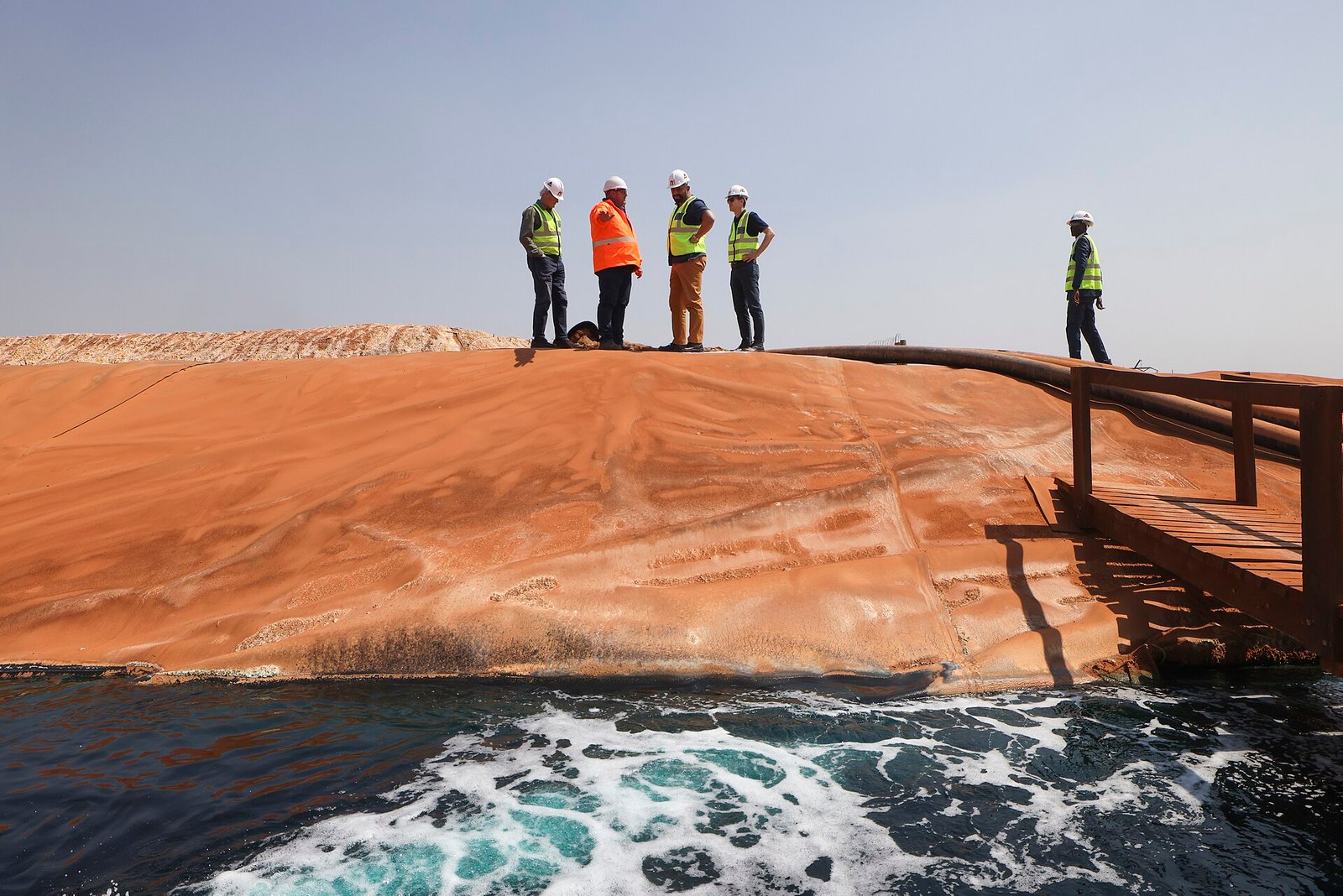
Copper policy, infrastructure finance and debt diplomacy are turning a national vote into a test of global economic power.
A national choice with international consequences
Zambia’s election is about domestic leadership, but its mineral wealth gives the result global strategic importance. Copper is essential to transmission lines, electric vehicles, electronics and the expansion of computing infrastructure.
The country’s next policy choices will influence who finances new mines, who builds transport corridors and where more of the value from minerals is processed.
China’s established position
Chinese lenders and companies have long played major roles in African infrastructure and mining. Zambia’s earlier debt crisis made those relationships part of a wider debate about transparency, risk and the terms of development finance.
Beijing’s advantage is not only capital. It also includes industrial capacity, supply-chain relationships and experience delivering large projects.
Washington’s new urgency
The United States wants to reduce dependence on China for critical minerals and has shown growing interest in transport and investment partnerships linking central and southern Africa.
For Zambia, competition can create leverage—but only if contracts are transparent, environmental standards are enforced and local workers and businesses capture durable benefits.
The power belongs with Zambia
Describing the election only as a U.S.–China contest would miss the essential point: Zambian voters and institutions decide the country’s strategy.
The strongest outcome would avoid exclusive dependency and use international competition to improve infrastructure, skills, public revenue and economic resilience.
The copper chain, step by step
Copper’s value chain runs from geological exploration and mining to concentration, smelting, refining, fabrication and manufacturing. Zambia captures more value when investment moves beyond extraction into reliable processing and local supplier networks.
Every additional stage requires power, water, transport, skills and predictable rules. Production targets therefore depend on infrastructure policy as much as the quality of the ore body.
What China brings
Chinese companies can combine mine investment with construction, equipment and financing. That integrated capacity can move projects quickly, but it also makes contract transparency and debt management essential.
Zambia’s task is to negotiate terms that survive commodity downturns and political change. Confidentiality that may be normal in a commercial deal becomes problematic when public guarantees or strategic infrastructure are involved.
What the United States is offering
Washington’s critical-minerals strategy emphasizes diversified supply chains, private capital and transport corridors that connect African producers to global markets. Its challenge is converting announcements into projects at competitive speed.
U.S. partnerships may emphasize governance and standards, but those benefits must arrive with bankable finance. Zambia does not have to choose a single patron; it can compare offers project by project.
The railway and power equation
A mine without dependable electricity or a route to market cannot meet ambitious output goals. Transmission upgrades, generation and regional rail links may create benefits far beyond the mine if communities and other industries can use them.
Poorly designed enclaves do the opposite: dedicated infrastructure moves ore efficiently while nearby businesses remain disconnected. Contract design should specify shared capacity and public access where feasible.
Community consent and environmental cost
Copper extraction can affect water, air quality, land and resettlement. Communities need baseline data, enforceable remediation plans and a credible way to raise complaints without depending on the operator.
Revenue sharing and local procurement can strengthen consent, but they do not replace environmental protection. Cleanup liabilities should be funded while a mine is profitable, not left to the state after closure.
A Zambian strategy for great-power competition
The strongest position is transparent competition among credible investors under stable national rules. Publishing beneficial ownership, fiscal terms and performance obligations can reduce the risk of political favoritism.
Zambia can use global demand to develop engineers, energy systems and manufacturers. If policy focuses only on export volume, the country may experience another boom without the economic diversification needed when prices fall.
Five tests for the next major mining agreement
First, disclose ownership and fiscal terms. Second, identify public guarantees and debt exposure. Third, require measurable local employment, training and procurement. Fourth, publish water, emissions and closure obligations. Fifth, connect infrastructure to wider national development wherever practical.
These tests do not favor China, the United States or any other investor. They favor agreements that can be compared and enforced. Competition is most valuable when bidders improve terms rather than rely on diplomatic pressure or political relationships.
Zambia’s bargaining power will be strongest while copper demand is high, but discipline matters most during a boom. Long-term contracts, tax stability clauses and environmental liabilities can outlast the leaders who sign them. Parliamentary scrutiny and accessible public records help ensure that strategic urgency does not become an excuse for weak terms.
Sources and verification
This report was published on August 13, 2026. Developing claims are attributed, and official policy is distinguished from anecdotal reports and analysis.
Editorial note
Chitran Newsroom updates material facts when reliable new evidence appears. Readers should consult primary authorities for urgent safety, legal, financial or account decisions.