
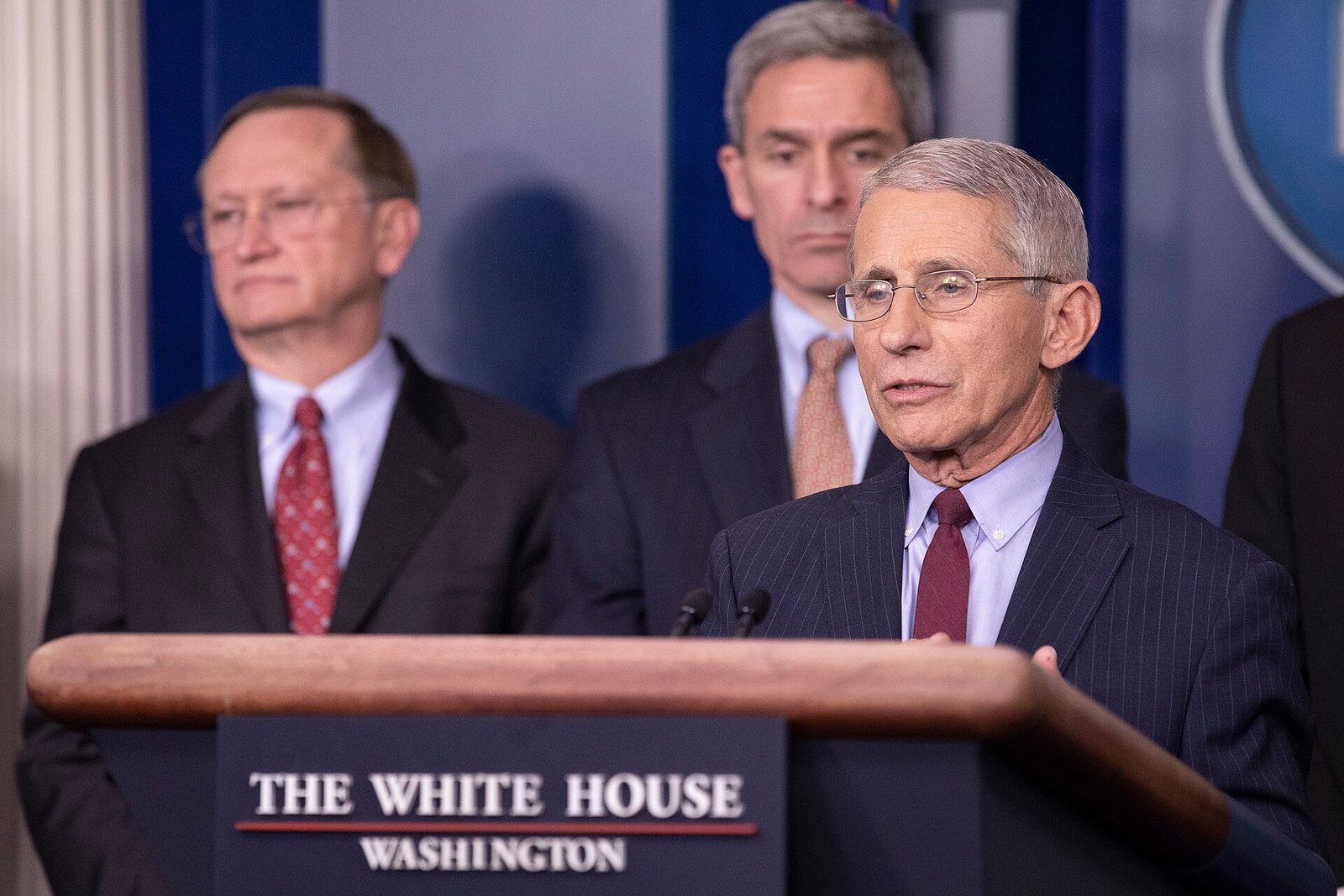
Karoline Leavitt’s announced departure puts the administration’s public strategy under scrutiny as policy fights intensify.
A highly visible transition
White House press secretary Karoline Leavitt is expected to leave at the end of August, creating one of the administration’s most visible personnel changes.
The press secretary does more than conduct briefings. The role coordinates language across agencies, defends policy under questioning and signals which controversies the president wants to elevate or contain.
Why timing matters
The transition arrives as the administration faces disputes over war policy, voting rules, vaccines and the economy. Before midterm elections, even routine personnel changes are interpreted through the lens of message discipline.
A successor will inherit an unusually fragmented media environment in which a briefing-room answer can be clipped, remixed and contested within minutes.
The power—and limit—of messaging
A communications reset can improve consistency, but it cannot erase contradictions between policy, data and presidential statements. Credibility depends on answering factual questions and correcting errors quickly.
The most consequential choice may be whether the next press operation prioritizes frequent confrontation or creates more space for detailed policy explanation.
What to watch
Watch who is selected, whether formal briefings become more or less frequent, and how much authority the new press secretary has to speak for agencies beyond the West Wing.
Changes in access, tone and correction practices will reveal whether this is a personnel replacement or a broader strategic shift.
Inside the communications machine
The press secretary sits at the intersection of the president, policy councils, agencies and a competitive media ecosystem. A briefing answer may require coordination with diplomats, lawyers and subject experts before it can accurately represent the government.
The office also decides what not to elevate. Choosing whether to answer a viral claim, issue written guidance or send an agency official can shape the lifespan of a controversy.
The briefing room versus direct media
Presidents increasingly communicate through social platforms, friendly interviews and public events, reducing the briefing’s monopoly on news. Yet the room remains valuable because reporters can ask follow-ups and create a shared public record.
A new press secretary will have to integrate these channels. Contradictory messages become especially costly during war, market volatility or emergencies, when governments and investors parse small differences in wording.
What a reset can realistically change
A personnel change can improve preparation, tone and coordination. It cannot solve policy disputes or make inconvenient data disappear. Communications credibility grows when officials state what is known, what remains uncertain and when an update will arrive.
Regular corrections are a strength when they are prompt and visible. Quietly changing a transcript or avoiding a documented error sacrifices long-term trust for short-term convenience.
The midterm audience
The administration is speaking simultaneously to core supporters, persuadable voters, Congress, foreign governments and federal employees. A message that energizes one audience may alarm another.
Economic communication will be particularly difficult because national indicators and personal experience can diverge. Voters judge prices, wages and security directly, so celebratory language that ignores pressure can sound detached.
Metrics beyond television clips
A combative exchange can dominate social media without helping the public understand policy. Better measures include whether agencies deliver consistent guidance, questions receive answers and false information is corrected before it spreads.
Briefing frequency and access also matter. A communications operation that reaches only aligned outlets may gain message control while losing the independent scrutiny that catches mistakes early.
Questions for the successor
Will the next spokesperson have direct access to the president? Can the office coordinate agencies before announcements? Will transcripts, schedules and visitor information remain timely?
Those operational details reveal more than a launch-day promise of transparency. The durability of a reset will be visible in routine practice after the attention around the appointment fades.
The first month will reveal the real strategy
The first few briefings will establish tone, but the more revealing test comes after the appointment loses novelty. Reporters should watch whether unanswered questions receive written follow-up, whether subject experts appear, and whether corrections are attached to the same channels that carried the original claim.
Agencies will also test the new operation. If departments learn about policy through presidential posts, no spokesperson can maintain consistency. A functional process requires pre-announcement coordination and a clear method for resolving disputes between political messaging and technical evidence.
A successful reset would not eliminate conflict with the press. It would make that conflict more informative by producing specific answers, documents and accountable statements. The public interest is served when disagreement leaves a usable record rather than only a viral clip.
Sources and verification
This report was published on August 13, 2026. Developing claims are attributed, and official policy is distinguished from anecdotal reports and analysis.
Editorial note
Chitran Newsroom updates material facts when reliable new evidence appears. Readers should consult primary authorities for urgent safety, legal, financial or account decisions.