
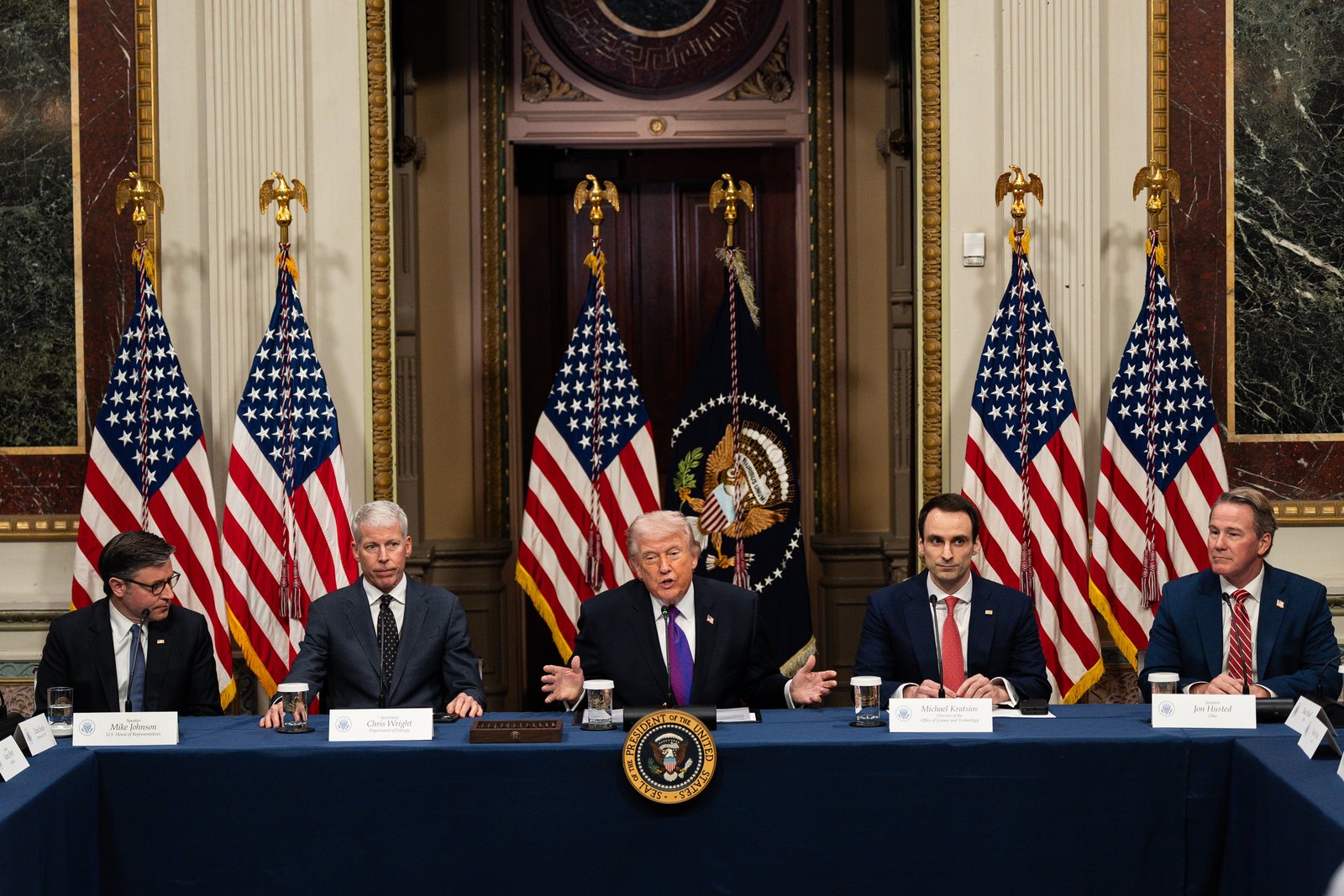
The United States is trying to turn a domestic preference for light-touch AI rules into an international strategy built around trade, standards and access to American technology.
Regulation becomes diplomacy
Washington’s G20 program treats artificial intelligence as more than a safety question. Model access, chips, data centers and technical standards are now tools of economic influence, giving regulatory alignment a place alongside traditional trade policy.
The case for interoperability
U.S. officials argue that companies should not face incompatible compliance systems in every market. Common terminology and mutual recognition could reduce friction, particularly for smaller firms that cannot maintain separate products for dozens of jurisdictions.
Allies do not start from the same place
The European Union favors binding risk obligations, while the United States relies more heavily on existing agencies, voluntary standards and sector rules. Other G20 members want access and development guarantees, not a framework written only by the countries that control frontier models.
The credibility test
A global strategy must show that lighter rules do not mean no accountability. Partners will look for concrete commitments on security testing, transparency, competition and remedies when AI systems cause harm.
The domestic foundation
The administration’s international message builds on a U.S. preference for a uniform federal approach and resistance to a patchwork of state laws. Without domestic clarity, asking partners to align becomes harder.
Congress, federal agencies and states still have different views on preemption, liability and child protection. Those disputes travel with American negotiators.
Standards can function like trade rules
Technical requirements determine which models, chips and cloud services can enter a market. A standard that appears neutral may advantage companies already designed around it.
That is why negotiations over testing and documentation have economic consequences comparable to tariffs or procurement preferences.
Security and openness pull apart
The United States wants allied adoption of American AI while restricting access that could strengthen adversaries. Export controls, model-security reviews and investment screening are part of the same strategy as regulatory diplomacy.
Partners may seek guarantees that security measures will not interrupt legitimate commercial and research access.
The Global South’s priorities
Many countries need affordable computing, local-language models, skills and electricity before they can implement elaborate governance systems. Rules without capacity-building can leave them as consumers rather than developers.
A credible U.S. strategy would pair principles with training, infrastructure finance and participation in standard-setting.
Competition policy belongs in the framework
A small number of companies control frontier models, cloud platforms and advanced chips. Light regulation can encourage entrants, but it can also allow incumbents to consolidate power.
Interoperability, data portability and fair access to infrastructure may matter as much as model-safety rules for preserving competition.
What success would look like
Success is unlikely to be one global statute. It would be compatible national systems, shared evaluation methods and channels for responding to cross-border incidents.
The strategy will be judged by whether it reduces friction while producing visible accountability when an AI system causes harm.
Sources and verification
This report was prepared from current material available on September 2, 2026. Developing facts may change, and allegations are identified as allegations.
Editorial standard
Chitran Newsroom separates confirmed facts, contextual analysis and forward-looking interpretation. Corrections are made transparently when credible new evidence changes the record.