
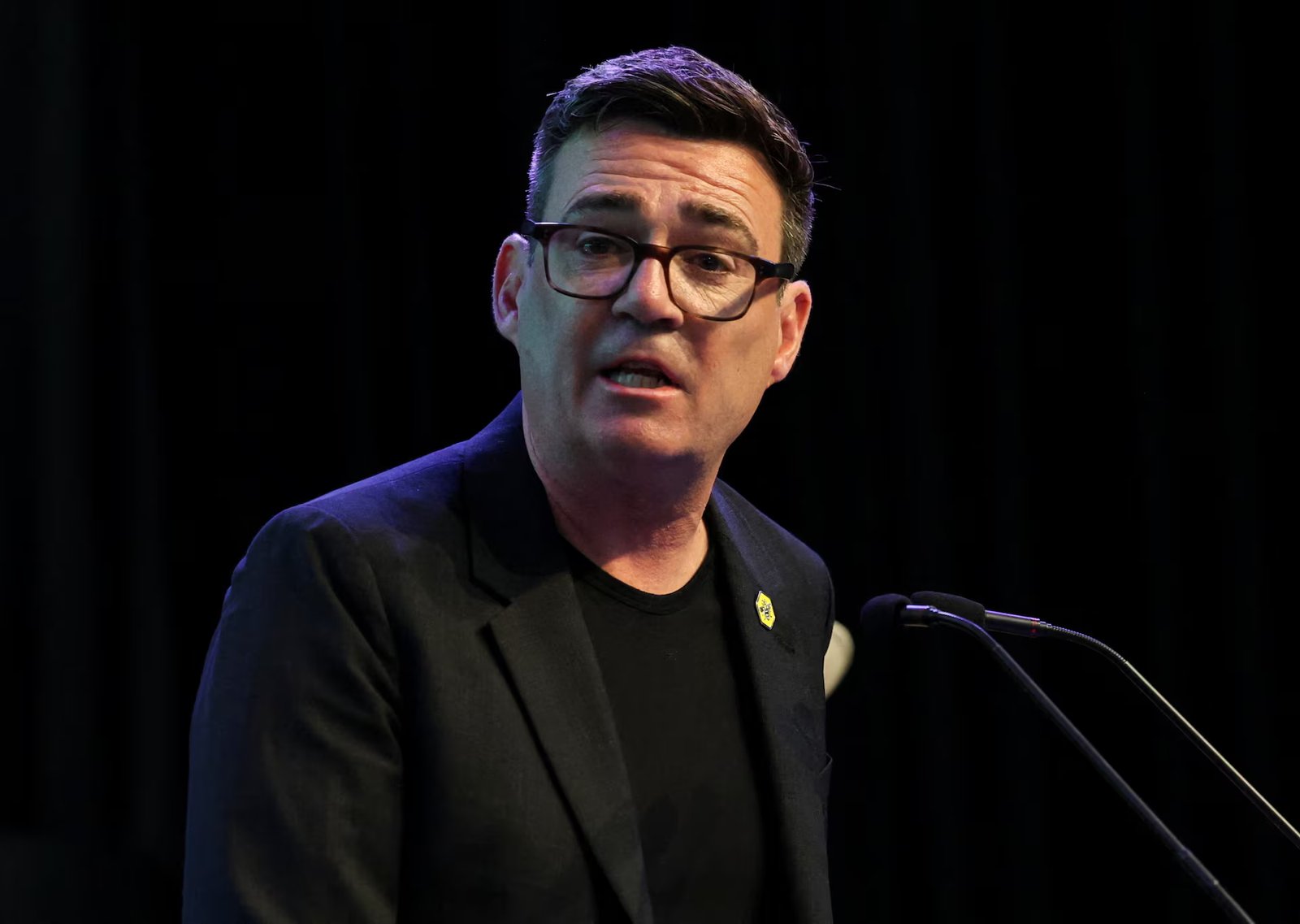
Britain’s seventh prime minister in a decade has promised stability, cost-of-living action and a long national plan. Cabinet choices and fiscal constraints will reveal how much can change.
The development
Andy Burnham entered 10 Downing Street after replacing Keir Starmer as Labour leader, becoming the United Kingdom’s seventh prime minister since 2016. That turnover is more than a political curiosity: it has made continuity itself a policy challenge. Burnham’s opening promise was a 10-year plan aimed at restoring stability and easing pressure on household budgets, while acknowledging that recent governments repeatedly arrived with large ambitions and departed before delivering them.
Why it matters now
His first Cabinet offered the earliest evidence of how he intends to govern. John Healey, previously defence secretary, was appointed chancellor, while several senior figures from the Starmer administration left government. A reshuffle can reset political authority, but it also removes institutional memory. The practical question is whether the new team can make fast decisions without reopening every departmental plan or delaying investment already under way.
The essential context
Burnham built his national profile as mayor of Greater Manchester and as a critic of decision-making concentrated in London. That makes devolution central to expectations around his premiership. Turning a regional argument into national administration will require clear divisions of responsibility, dependable funding and measurable outcomes. Transferring power without transferring capacity can simply move accountability closer to voters while leaving local leaders unable to act.
How the mechanism works
The cost-of-living promise is the immediate test. Households experience government through rent, mortgages, energy bills, transport and food prices rather than through strategic language. Relief can come through targeted benefits, tax changes, public-service reform or supply-side investment, but each option has a fiscal cost or a delay. Burnham must show what starts now, what depends on a future budget and what requires legislation.
The pressure points
Foreign policy will not wait for a domestic reset. Burnham held early conversations with U.S. President Donald Trump and Ukrainian President Volodymyr Zelenskyy while conflicts and trade disputes were already moving markets. Britain’s security commitments, relationship with Europe and search for investment all constrain the room for dramatic changes. Continuity abroad may therefore coexist with a stronger promise of change at home.
What comes next
The fairest way to judge the new government is through milestones rather than mood. Watch the first fiscal statement, departmental spending limits, housing and transport decisions, local-government settlements and the treatment of existing climate and industrial plans. A 10-year vision becomes credible only when its first 100 days establish who is responsible, how progress is measured and which trade-offs ministers are prepared to defend.
What is confirmed — and what is not
The central facts above are tied to the dated source linked in this report. Fast-moving stories often mix official statements, preliminary figures and interpretation. Readers should separate a confirmed action from a proposal, an allegation from a finding, and a target from a completed outcome. Later filings, court orders, operational data or independent investigations may revise details without making the original development unimportant.
Why the story is spreading
This story combines a recognizable institution or public figure with consequences that can be understood quickly: power changes hands, prices move, records fall or safety rules are tested. That makes it highly shareable. Popularity, however, is not verification. The most useful coverage explains the mechanism connecting the headline to people’s lives and identifies the evidence that could confirm or weaken the first interpretation.
The incentives behind the announcement
Public officials, companies, campaigners and litigants communicate strategically. They emphasize facts that support their objectives, select favorable comparisons and may leave implementation details for later. That does not make every statement false; it means readers should ask who benefits, who bears the cost, what alternatives were available and which institution can independently check performance.
How to read the numbers
Large percentages and totals require a baseline. A record can reflect a larger market, more matches, inflation, changed definitions or a genuinely exceptional result. The responsible comparison uses the same period and unit, distinguishes stock from flow, and notes whether the figure is audited, estimated or provisional. Where data remain incomplete, direction can be clearer than precision.
Who is most exposed
The burden is rarely distributed evenly. Workers with specialized jobs, households with little financial flexibility, smaller suppliers, displaced communities and countries dependent on one route or platform have fewer alternatives. Decision-makers may describe an aggregate benefit while concentrated groups absorb immediate losses. Distribution is therefore part of the result, not a secondary political argument.
What could change next
A court ruling, ceasefire, technical anomaly, exemption, budget decision or customer response could quickly alter the trajectory. Scenario thinking is more honest than a single confident forecast. The favorable case requires implementation and cooperation; the adverse case combines delay with rising costs; the middle case often produces partial delivery and continued uncertainty.
A practical verification checklist
Follow the primary source, then compare it with independent reporting and the next measurable release. Check dates, definitions, geographic scope and whether images or video show the event claimed. For legal allegations, preserve the presumption of innocence. For conflict claims, seek multiple independent confirmations. For corporate or scientific claims, look for technical documentation and reproducible results.
What Chitran Newsroom will watch
This report will merit revision if authorities change the policy, new evidence contradicts an important fact, or the promised outcome becomes measurable. The newsroom’s focus is not to preserve the drama of the first headline but to track delivery, consequences and corrections. Readers should use the cited source for the original record and return to later official releases for the current status.
Sources and further reading
This report is grounded in the primary or directly cited news record. Because this is a developing story, readers should consult the original source for later revisions and supporting detail.
Editorial independence
About this reportReporting on politics, public policy, climate and the economy is produced as independent newsroom coverage and is not connected with the educational services or teaching operations of Chitran International Online Art Classes, LLC.