
Oil markets have again attached a geopolitical premium to every barrel moving through the Persian Gulf. Renewed U.S.-Iran tensions and threats to energy exports have revived the question of whether the Strait of Hormuz could move from a chronic risk to a sustained physical disruption. Brent crude rose sharply during the latest escalation, but the path from a threat to a lasting price shock is not automatic.
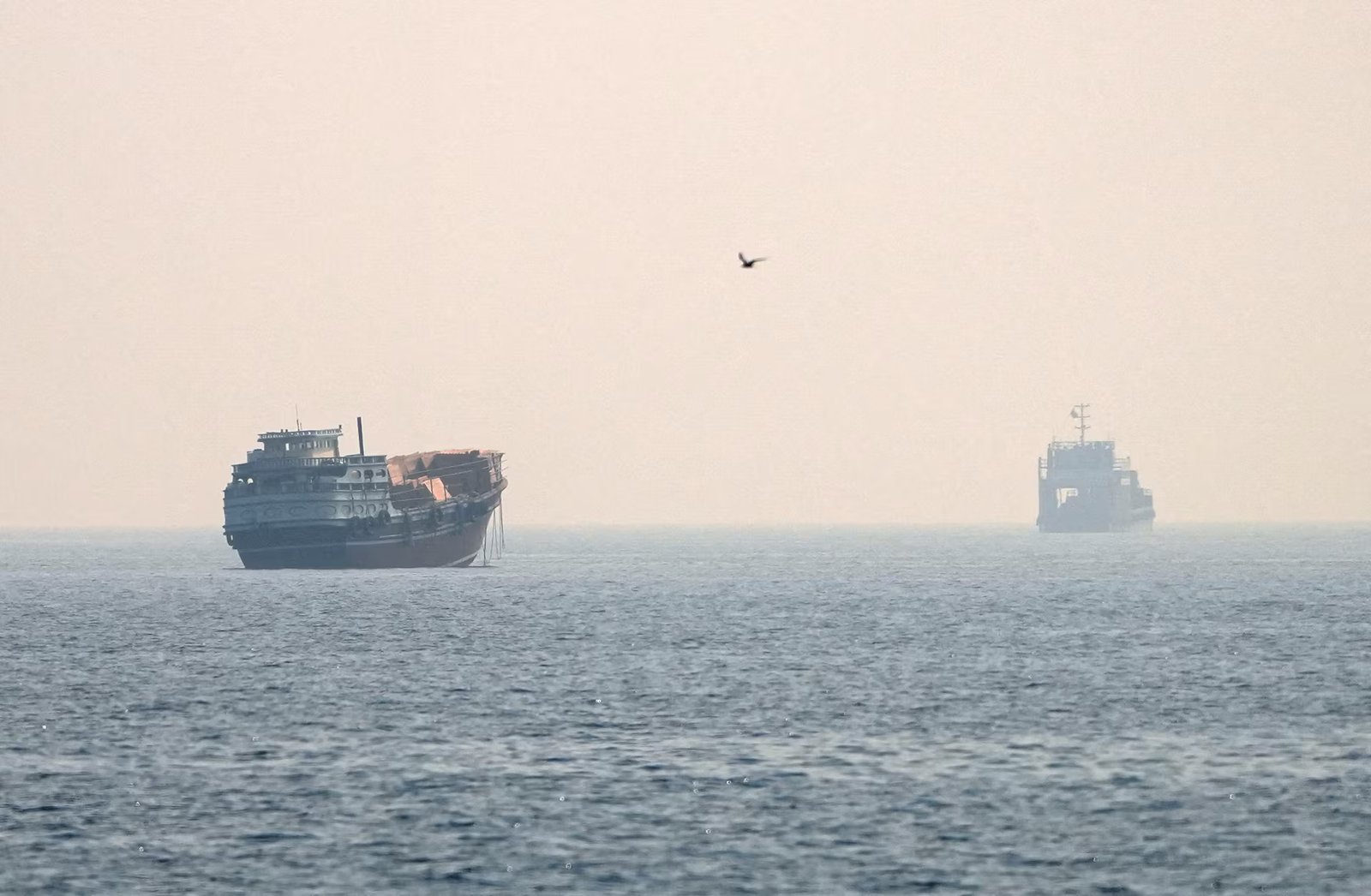
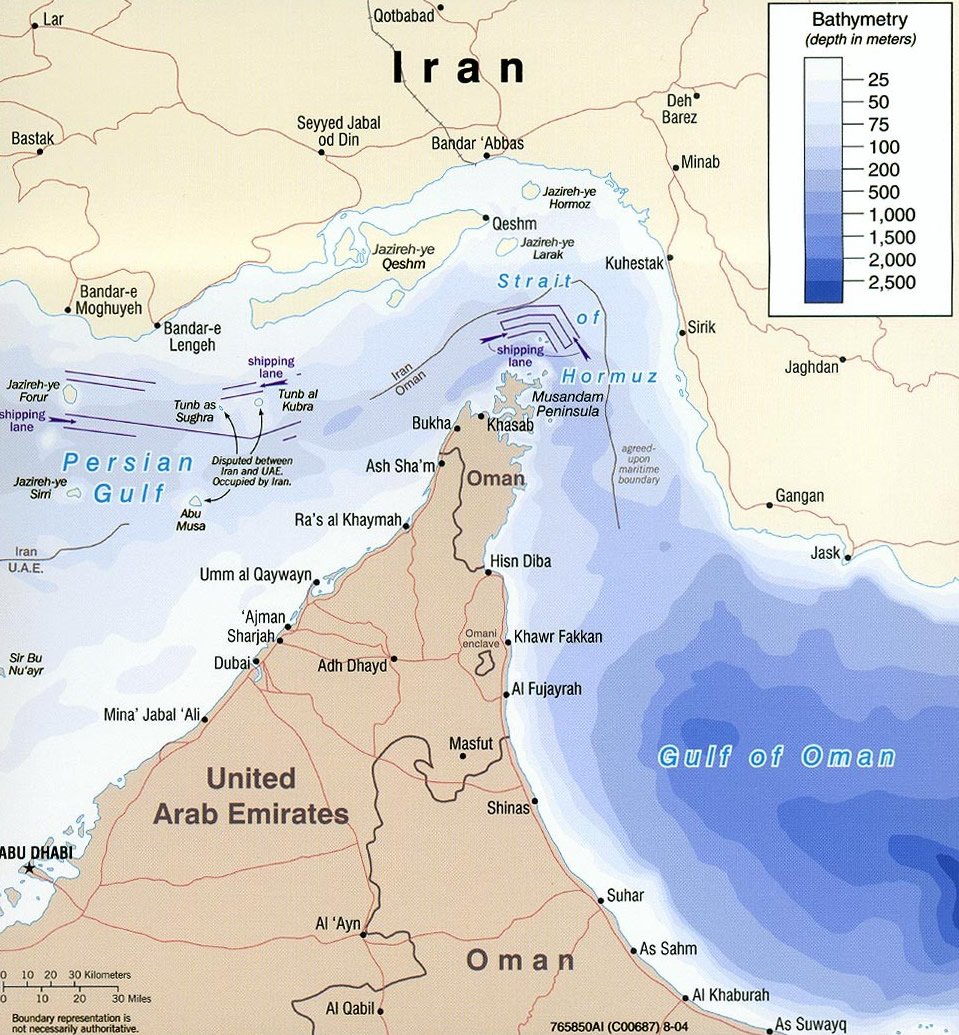
The strait is a narrow maritime passage between Iran and Oman connecting the Persian Gulf with the Gulf of Oman. Large volumes of crude oil, petroleum products and liquefied natural gas produced by Gulf states must pass through it before reaching customers. There is no equivalent sea route around the chokepoint.
What the market is pricing now
Benchmark prices rose after attacks and competing claims of control intensified uncertainty. The move was a risk premium: buyers were paying more for the possibility that future deliveries could be delayed or lost. A one-day jump does not determine how long the shock will last. Prices can reverse when shipping recovers, diplomatic signals improve or economic weakness restrains demand.
The International Energy Agency's July assessment said flows had recovered during an interim ceasefire, helping prices slide in June. Renewed threats changed sentiment again. Physical conditions may improve for weeks, then an attack or closure warning can force traders to reassess disruption probabilities.
The chokepoint
Geography concentrates the risk
Gulf producers rely on maritime export terminals. Some pipeline capacity can bypass Hormuz, but it cannot immediately replace all normal flows.
Could oil go substantially higher?
Yes, especially if disruption becomes sustained, removes several million barrels a day or damages terminals and tankers. Severe scenarios combine lower physical supply with higher freight and insurance costs. Refineries competing for replacement grades could bid up barrels from West Africa, the Americas and the North Sea.
Duration is decisive. A short interruption followed by a credible reopening might produce a spike and retreat. A prolonged closure would draw down inventories, pressure governments to release strategic reserves and test how quickly producers outside the Gulf could respond.
What could limit the increase
The U.S. Energy Information Administration says weaker global demand can constrain prices even during Hormuz disruption. High prices reduce consumption over time, encourage substitution and make additional production more profitable. Strategic stocks can bridge a temporary shortage, while Saudi and Emirati pipelines offer limited bypass capacity.
Economic weakness is another brake. If expensive energy worsens inflation and slows manufacturing, the demand loss can pull crude lower even while geopolitical risk remains. That tension explains why oil can fall on a day of troubling headlines.
How consumers feel the shock
Crude is a major component of gasoline, diesel and aviation fuel. A persistent increase usually reaches consumers with a delay depending on refining margins, taxes, inventories and currencies. Airlines, trucking companies, farmers and manufacturers face higher costs. Import-dependent economies can experience pressure on trade balances and currencies.
Governments that subsidize fuel face larger fiscal costs; those that pass prices through may face public anger. The effect is uneven because some countries produce oil while others rely heavily on imports routed through the strait.
What to watch
The strongest signals are physical: verified tanker traffic, port operations, insurance availability, loading schedules and evidence of damage. Markets will also watch diplomacy, naval deployments, strategic-reserve policy, OPEC+ decisions and non-Gulf production.
The crisis can push prices higher, and renewed fighting already has. A historic surge would require disruption broad and persistent enough to overwhelm inventories, bypass pipelines and demand weakness.
Sources: IEA July 2026 Oil Market Report; U.S. EIA outlooks; Associated Press market reporting dated July 13-15, 2026; public maritime-energy data.
Editorial independence
About this report
Reporting on politics, public policy, climate and the economy is produced as independent newsroom coverage and is not connected with the educational services or teaching operations of Chitran International Online Art Classes, LLC.
This article is published under the editorial standards of Chitran Newsroom. The content does not necessarily represent the official views of Chitran International Online Art Classes, LLC.