
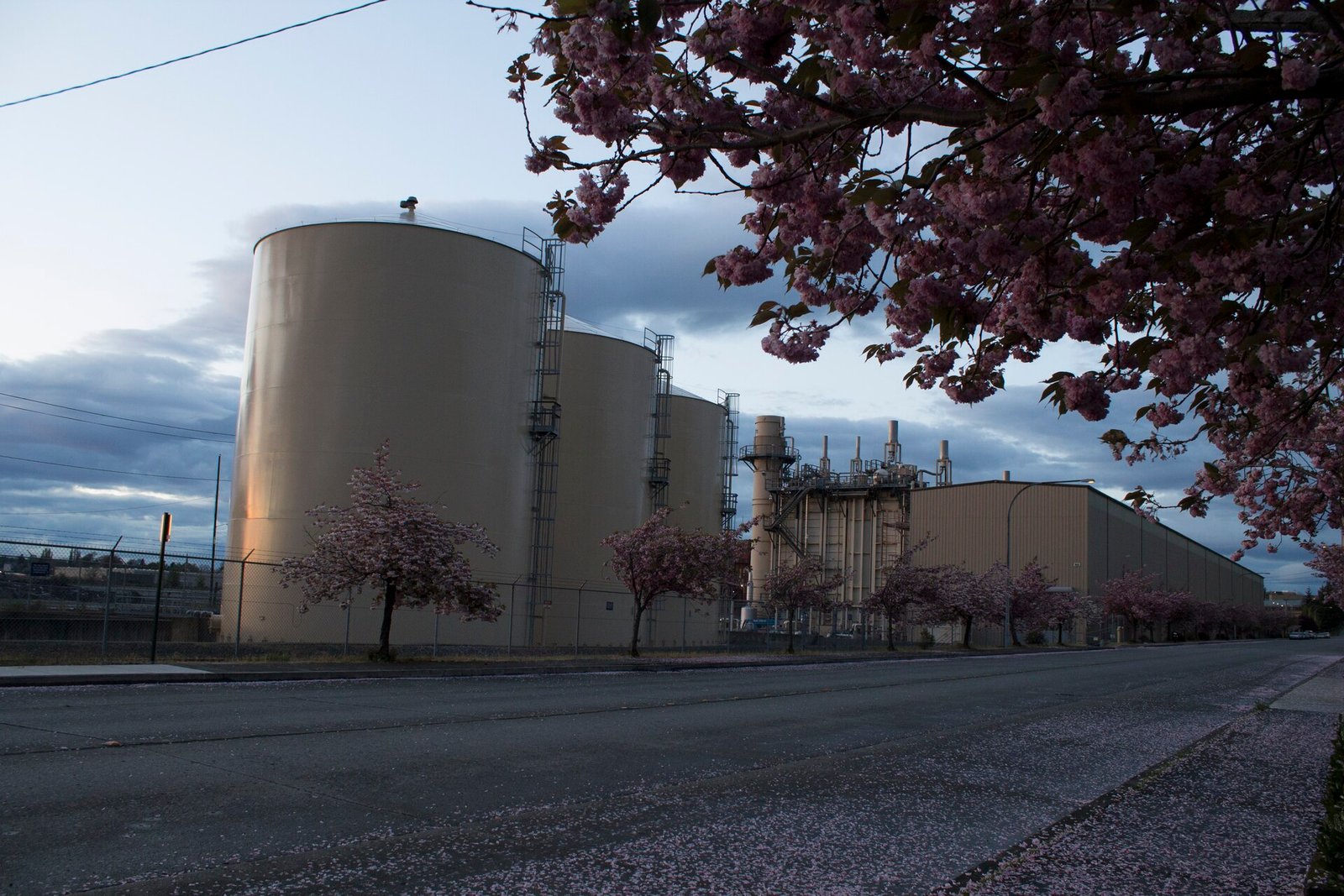
The company’s reported exit from a major clean-energy pact sharpens questions about whether data-center growth can stay aligned with climate promises.
The contradiction comes into view
Meta’s reported departure from a major clean-energy coalition comes as the company expands computing capacity and relies more heavily on natural gas. The move puts a spotlight on the widening gap between corporate climate targets and the electricity demands of artificial intelligence.
Data centers require reliable power every hour, not only when wind or solar output is high. Companies are therefore competing for firm generation, transmission capacity and long-term energy contracts.
Why AI changes the equation
Training and serving advanced AI systems can require dense clusters of specialized chips. Efficiency improvements help, but rapid growth in total usage can overwhelm those savings.
The climate impact depends on location and timing: a data center connected to a cleaner grid has a different footprint from one that prompts new fossil-fuel generation.
What accountability should look like
Corporate renewable-energy purchases are not enough if local grids add gas plants to meet new demand. Credible reporting should include hourly energy matching, additional generation, water use and the emissions of backup systems.
Communities also need a clear account of who pays for grid upgrades and whether large industrial loads raise costs for households.
The next test
The key question is whether technology companies use their purchasing power to accelerate clean, dependable power or simply outbid other customers for scarce electricity.
That choice will help determine whether AI expansion becomes an engine for grid modernization or a new obstacle to emissions targets.
An electricity problem measured hour by hour
A company can buy enough renewable energy over a year to match annual consumption while still relying on fossil generation during particular hours. Data centers operate continuously, so annual accounting can hide the carbon intensity of the power used at night or during low-wind periods.
Hourly matching is more demanding but more informative. It encourages storage, transmission and firm clean resources rather than relying only on certificates from generation that may occur far away or at a different time.
Why gas looks attractive
Natural-gas plants can provide dispatchable electricity and are familiar to utilities and regulators. They can also be built near large loads when grid interconnections are delayed.
The tradeoff is long-lived carbon infrastructure. A plant financed for decades may continue operating after cleaner alternatives become available, and methane leakage can increase its climate impact beyond smokestack emissions.
The local grid question
A giant new customer can support investment, but it can also compete for transformers, transmission and generation. Regulators must decide which costs belong to the data-center operator and which can be recovered from ordinary ratepayers.
Transparent tariffs and load forecasts reduce the chance that households finance speculative capacity. They also protect communities if a technology company delays a campus or uses less power than projected.
Water, land and backup generation
Electricity is only part of a data center’s environmental footprint. Cooling may require substantial water, construction changes land use, and diesel backup generators can affect local air quality.
Reporting should distinguish withdrawal from consumption and identify the watershed, because the same volume has different consequences in a wet region and a drought-prone one.
What a credible Meta plan would disclose
Useful disclosure would include campus-level demand, hourly carbon intensity, additional clean generation, backup fuel use and the allocation of grid-upgrade costs. Company-wide averages are too broad to answer local questions.
Meta could also publish milestones for reducing dependence on gas and explain how contracts change if demand forecasts are wrong. Clear transition dates make climate commitments testable.
The broader AI policy lesson
Governments are treating data centers as economic-development projects, but incentives should be tied to jobs, infrastructure and environmental performance. Counting construction spending without long-term costs gives an incomplete picture.
AI can help manage grids and discover new materials, yet those future benefits do not cancel present emissions. The industry’s climate case must be demonstrated through physical energy decisions.
The questions communities should ask before approval
How much power will the campus use at full buildout, and which generation will serve it during peak hours? Who pays for substations, transmission and backup capacity? How much water will be consumed, what are the drought protections, and which emissions will occur on site? These questions should be answered before tax incentives are finalized.
Local officials should also request several demand scenarios. AI forecasts are uncertain, and a project may grow faster than expected, arrive late or never reach announced scale. Contracts should protect residents from paying for infrastructure that becomes unnecessary while ensuring that unexpectedly rapid growth does not compromise reliability.
A data center can bring construction, tax revenue and grid investment, but it is not automatically a large permanent employer. Public benefits should be stated in measurable terms and reviewed over time. Climate and economic-development goals are strongest when they are negotiated together rather than placed in separate reports.
Sources and verification
This report was published on August 13, 2026. Developing claims are attributed, and official policy is distinguished from anecdotal reports and analysis.
Editorial note
Chitran Newsroom updates material facts when reliable new evidence appears. Readers should consult primary authorities for urgent safety, legal, financial or account decisions.