
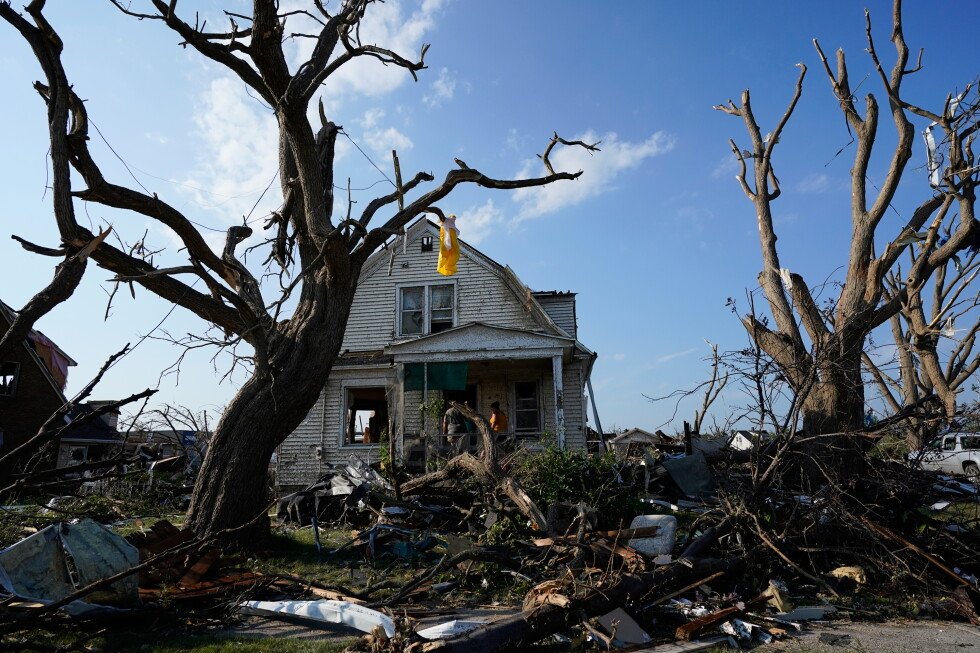
New modeling suggests a warmer atmosphere may reduce some hail events while making the most destructive stones larger in vulnerable regions.
A more dangerous kind of storm risk
Climate change may not increase every hailstorm everywhere, but new global modeling suggests the largest hailstones could become more common in many mid- and high-latitude regions.
That distinction matters because damage rises rapidly with stone size. Large hail can destroy crops, roofs, vehicles, solar panels and aircraft surfaces in minutes.
Why warming can produce larger hail
Warmer air can hold more moisture and fuel powerful updrafts, keeping ice suspended while it grows. At the same time, a higher melting level can cause smaller stones to melt before reaching the ground.
The result can be fewer small-hail reports in some places but a greater share of severe, damaging stones when the storm structure is favorable.
Where uncertainty remains
Hail is difficult to observe consistently, and global records are uneven. Local terrain, storm organization and changes in reporting can all affect trends.
Models are most useful for identifying risk patterns, not predicting the exact size of hail in a particular town years in advance.
Preparing for the new risk
Updated roofing standards, protected parking, resilient crops, better radar warnings and tougher solar-panel testing can reduce losses.
Insurers and local governments should treat hail as part of climate adaptation planning rather than a rare, isolated weather surprise.
A hailstone’s journey
Hail begins when strong storm updrafts carry droplets above the freezing level. The embryo grows as it collides with supercooled water and may travel through the storm several times before gravity overcomes the updraft.
Layers inside a stone preserve part of that journey. Clear and cloudy ice can reflect different growth conditions, although a single stone is not a simple thermometer of the atmosphere.
Why size changes damage so quickly
A larger hailstone carries more mass and can strike at a higher terminal speed. The resulting energy rises steeply with size, which is why a modest change in diameter can produce a much larger increase in damage.
Wind can add horizontal force and drive stones into windows or siding. Roofing age, vehicle exposure and crop stage determine how the same storm translates into loss.
The geography of future risk
Model results point to changes across many mid- and high-latitude regions, but local outcomes depend on moisture, instability, wind shear and the height of the freezing level.
Some warmer environments may melt small hail before it reaches the surface while still supporting rare giant stones from the strongest storms. “Less hail” and “more damaging hail” can therefore both be true.
How scientists test the models
Researchers compare simulations with radar, storm reports, insurance claims and physical hail observations. Each source has bias: populated areas report more events, radar estimates are indirect and claims reflect changing property values.
Long, standardized records are necessary before a regional trend can be stated confidently. Attribution of one storm is harder than assessing how warming changes the probability of the ingredients.
Building for impact
Impact-resistant shingles, protected skylights and tested solar modules can reduce loss. Standards should reflect local design hail rather than a national average.
Farmers can use forecasts, crop insurance and protective structures for high-value plants. Airports and event organizers need rapid warning procedures because people outdoors have little protection.
A warning problem measured in minutes
Hail threats can develop quickly inside severe thunderstorms. Radar improvements and phone alerts help, but warnings work only when people know the safest action: move indoors and away from windows.
After a storm, residents should avoid damaged power lines, photograph losses and use reputable contractors. A climate signal is important for planning; immediate recovery still depends on local safety information.
From climate model to household decision
A homeowner cannot infer next season’s roof risk from one global study, but insurers and building officials can combine emerging science with regional storm history. Updating standards before losses accelerate is usually cheaper than rebuilding repeatedly after severe events.
Adaptation should remain proportionate. Not every region needs the strongest available roof, and not every model projection has the same confidence. Local hazard maps, construction age and replacement cycles can guide where stronger requirements deliver the greatest benefit.
The research also illustrates a broader climate lesson: averages do not describe every impact. A warmer world can reduce one class of small event while intensifying a damaging extreme. Planning must therefore examine distributions and thresholds, not only annual counts.
Sources and verification
This report was published on August 13, 2026. Developing claims are attributed, and official policy is distinguished from anecdotal reports and analysis.
Editorial note
Chitran Newsroom updates material facts when reliable new evidence appears. Readers should consult primary authorities for urgent safety, legal, financial or account decisions.