
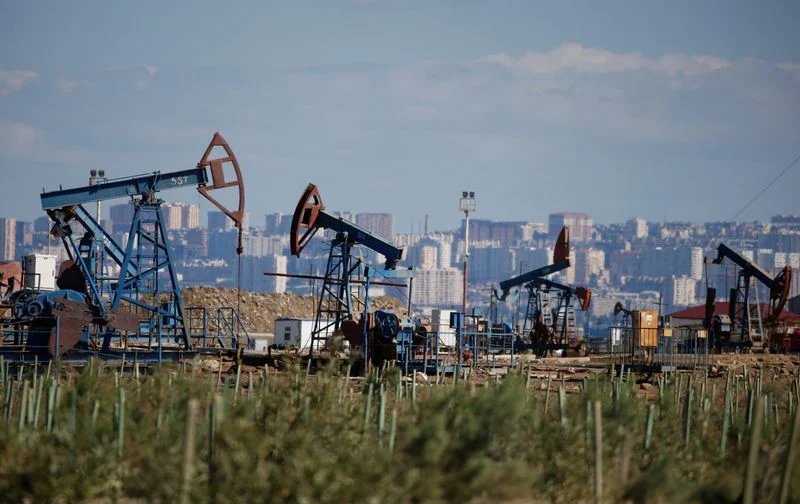
Oil traders put a fresh war premium into crude after renewed U.S.–Iran fighting revived the possibility of disruption in and around the Strait of Hormuz.
Crude breaks higher
Brent crude rose 4.6 percent, while U.S. oil settled above $90 a barrel for the first time in more than a month. The move reflected a change in perceived supply risk rather than a sudden surge in consumption. Markets that had priced in a quieter period were forced to account for military escalation again.
Why Hormuz moves the market
A significant share of globally traded petroleum passes through the narrow waterway between Iran and Oman. Physical closure is not required to lift prices: attacks on ships, naval escorts, higher insurance premiums and delayed cargoes can all make each barrel more expensive to deliver.
The inflation channel
Higher crude feeds into gasoline, aviation fuel, freight and manufacturing. If the increase persists, it can slow the decline in consumer inflation and make central banks more cautious about cutting interest rates. That is why the oil rally was felt simultaneously in bond and equity markets.
What traders will measure
The next moves depend on tanker traffic, export terminals, commercial inventories and official signals from Washington and Tehran. A short exchange followed by restraint could remove part of the premium. Damage to infrastructure or repeated attacks on shipping would point in the opposite direction.
What the price move says
A 4.6 percent Brent increase is large enough to show that traders reassessed the probability of disrupted supply. It does not mean the market expects Hormuz to close completely. Prices reflect a weighted range of outcomes—from a brief exchange with no lost barrels to sustained attacks that reduce exports.
The move above $90 for U.S. crude is psychologically important because companies and consumers make plans around round numbers. Producers may hedge more output, airlines may protect fuel costs and governments may revisit assumptions used in inflation and budget forecasts.
Physical barrels versus fear
Geopolitical rallies can fade when oil continues to load and inventories remain adequate. The durable part of the increase will depend on measurable changes: delayed tankers, damaged terminals, reduced production or sanctions that prevent buyers from taking cargoes.
The market also watches spare capacity. Producers able to raise output can offset part of a disruption, but replacement barrels may be different grades or located far from the refiners that need them. Logistics, not only total global supply, determine the practical cushion.
What drivers may notice
Crude is only one component of the retail gasoline price. Refining margins, taxes, distribution and local inventories also matter, so a one-day jump will not appear at every pump immediately. A sustained rally, however, normally reaches motorists with a delay.
Diesel deserves equal attention because it powers trucking, agriculture and heavy industry. Higher diesel costs spread through supply chains and can raise the price of goods even for households that drive very little.
Winners and losers
Energy producers and oilfield-service companies can benefit from higher prices, especially when they have unhedged production. Airlines, shipping groups, chemical makers and other fuel-intensive businesses face higher costs unless they can pass them to customers.
Oil-importing countries may see currencies and trade balances come under pressure, while exporters receive additional revenue. The effect is uneven: a price shock that helps a producer’s national budget can still hurt domestic consumers through transport and food inflation.
The central-bank complication
Policymakers often look through a short energy spike because interest rates cannot create oil. They respond when higher fuel costs influence expectations, wages and a broad range of prices. That is why the duration of the conflict matters more than the first market reaction.
Bond traders pushed the 10-year Treasury yield higher as the oil rally revived inflation concern. If energy stays elevated while economic growth slows, central banks confront an uncomfortable mix: weaker demand alongside prices that are harder to bring down.
Signals that would reverse the rally
A verified ceasefire, uninterrupted tanker traffic and rising inventories could remove the latest risk premium quickly. Coordinated releases from strategic reserves might soften an acute shortage, although governments generally reserve that tool for genuine supply disruption.
The opposite signals are damage to export infrastructure, broader sanctions enforcement or repeated attacks on vessels. Traders will also monitor whether major producers change output policy in response.
Sources and verification
This report was prepared from current material available on September 2, 2026. Developing facts may change, and allegations are identified as allegations.
Editorial standard
Chitran Newsroom separates confirmed facts, contextual analysis and forward-looking interpretation. Corrections are made transparently when credible new evidence changes the record.