
A vast reported expansion in AI commitments is forcing investors to measure useful output, energy capacity and financial risk—not just model ambition.
The scale is the story
Reported AI infrastructure commitments associated with OpenAI have reached a scale measured in hundreds of billions of dollars. Whether every announced project is ultimately built, the direction is unmistakable: advanced AI is becoming a capital-intensive industrial system.
The spending spans chips, data centers, networking, power generation and long-term cloud capacity. Each layer has different financing, construction and supply risks.
Revenue must catch the buildout
AI services are growing quickly, but infrastructure spending can arrive years before its full revenue. Providers need sustained demand from consumers, developers, businesses and governments to justify the capacity.
The central investment question is not whether AI is useful. It is whether usage, pricing and productivity gains will grow fast enough to cover depreciation, energy and financing costs.
Physical constraints are financial constraints
Power connections, transformers, cooling equipment, skilled labor and permitting can delay projects. A model roadmap can move in months; a transmission line may take years.
That mismatch creates the risk of stranded or underused assets if technology changes faster than buildings and contracts.
How to judge the boom
Watch utilization rates, inference costs, customer retention and measurable productivity rather than headline parameter counts alone.
The strongest projects will pair technical advantage with reliable electricity, disciplined construction and products that customers repeatedly pay to use.
Reading the headline number
A commitment is not always immediate capital expenditure. Some figures combine multiyear cloud contracts, proposed campuses, financing frameworks and capacity that will be purchased only if demand arrives.
Investors should separate signed obligations from aspirations and identify who supplies equity, who holds debt and who ultimately guarantees payment. The distribution of risk matters as much as the total.
The anatomy of an AI campus
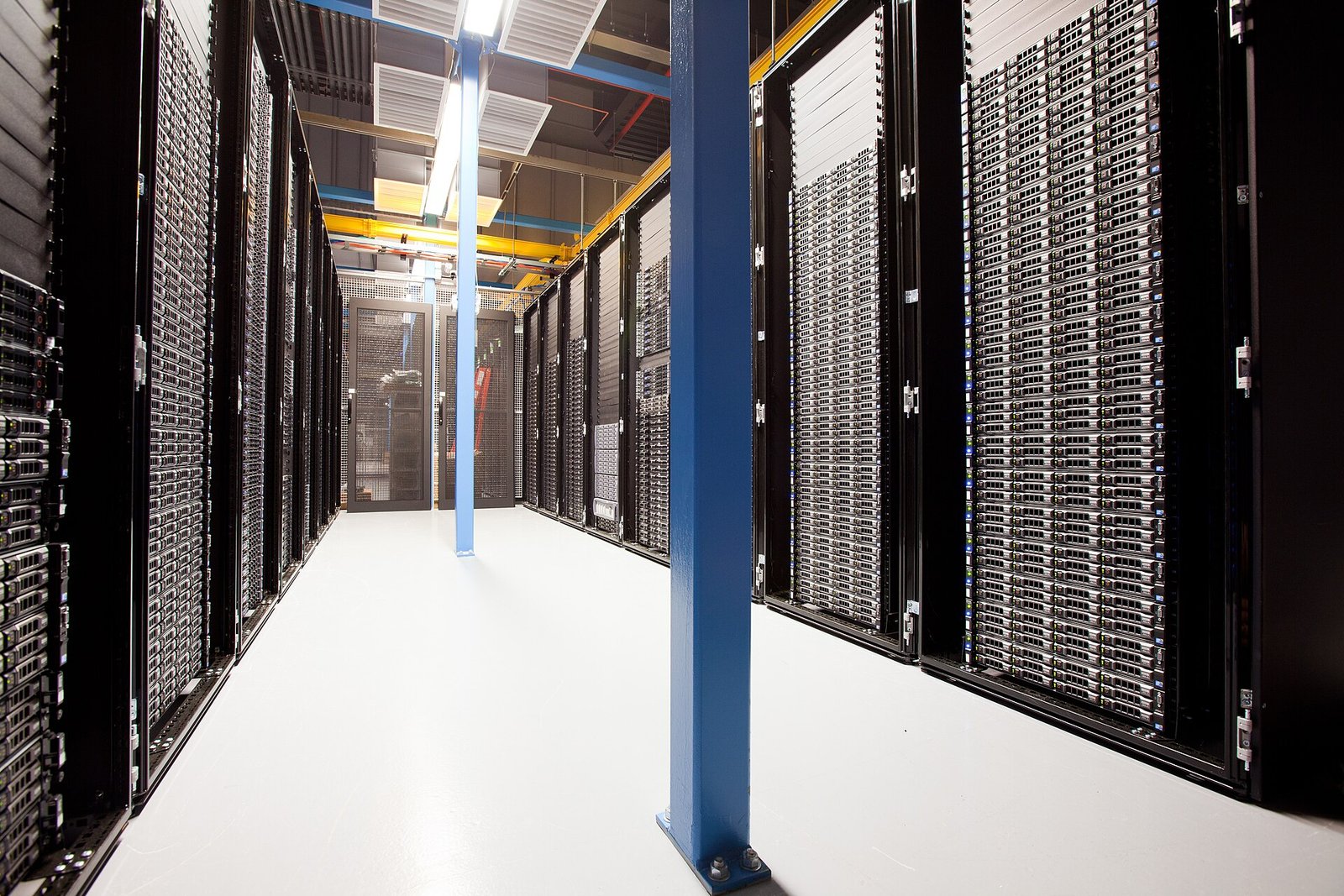
A frontier-scale campus needs accelerators, memory, networking, storage, buildings, cooling and a high-capacity power connection. Delays in any one component can leave expensive equipment waiting for the rest of the system.
Networking is increasingly critical because thousands of processors must act like one machine. Reliability and software utilization determine how much productive computing the installed hardware actually delivers.
Training economics versus inference economics
Training creates a model through concentrated bursts of computation. Inference serves user requests repeatedly after deployment. A product can therefore have manageable training cost but poor economics if each answer remains expensive.
The path to returns depends on lower cost per useful task, not merely lower cost per token. Customers pay for completed work, accuracy and integration with their operations.
Demand scenarios
In a strong scenario, enterprises move AI from pilots into core workflows and consumers pay for assistants that save meaningful time. Capacity fills quickly and scale lowers unit costs.
In a weaker scenario, usage grows but pricing falls faster, open models improve and customers spread workloads across providers. Infrastructure can remain busy while returns disappoint.
The balance-sheet question
Long-duration contracts can secure supply but create fixed obligations. If revenue is volatile, financing structures may shift risk to cloud partners, infrastructure funds, utilities or lenders.
Analysts need clarity on take-or-pay terms, cancellation rights and residual asset value. A specialized campus is less flexible than a general office building if the technology cycle turns.
A practical scorecard
Track revenue per unit of compute, utilization, inference efficiency, customer concentration and the share of spending backed by contracted demand. Also watch electricity availability and construction milestones.
The boom becomes sustainable when useful AI output grows faster than the fully loaded cost of producing it. Announcements demonstrate ambition; operating data demonstrates economics.
What would prove the investment thesis
The bullish case requires more than model improvement. AI products must become embedded in valuable workflows, customers must continue paying after experiments, and efficiency gains must outpace falling prices. Infrastructure should show high utilization without sacrificing reliability or forcing unsustainable subsidies.
The bearish case does not require AI to fail. It can emerge if the technology becomes abundant and cheap while the owners of expensive campuses struggle to capture value. Open models, custom chips and intense cloud competition could distribute benefits to users while compressing provider returns.
That is why the decisive evidence will appear in operating metrics: recurring revenue, cost per completed task, power availability, hardware utilization and contract quality. The size of a financing announcement is a measure of conviction. It is not yet a measure of productivity.
Sources and verification
This report was published on August 13, 2026. Developing claims are attributed, and official policy is distinguished from anecdotal reports and analysis.
Editorial note
Chitran Newsroom updates material facts when reliable new evidence appears. Readers should consult primary authorities for urgent safety, legal, financial or account decisions.